
Based on an audit we conducted. The business chose not to proceed — results below are projections based on comparable rebuilds we have delivered.
Plumbers in South East Melbourne are losing jobs every week to competitors with better websites, and most don't know it. This business had been trading for 11 years. Three vans. ServiceM8 for job management. A basic 4-page website that hadn't been touched since 2019. When they Googled "plumbers South East Melbourne", they weren't anywhere in the first 10 pages.
The phone still rang, mostly from word-of-mouth and old Google My Business reviews, but new leads had dried up. Their closest competitor, a 2-person outfit that started in 2023, was ranking above them for every local search term.
The audit showed a 13/105 SEO score. That's not "needs improvement" territory. That's "invisible to Google" territory. UnderCurrent Automations runs these audits for Australian service businesses weekly, and scores under 20/105 are more common than you'd think. You can run your own free automation audit to see exactly where your business stands.
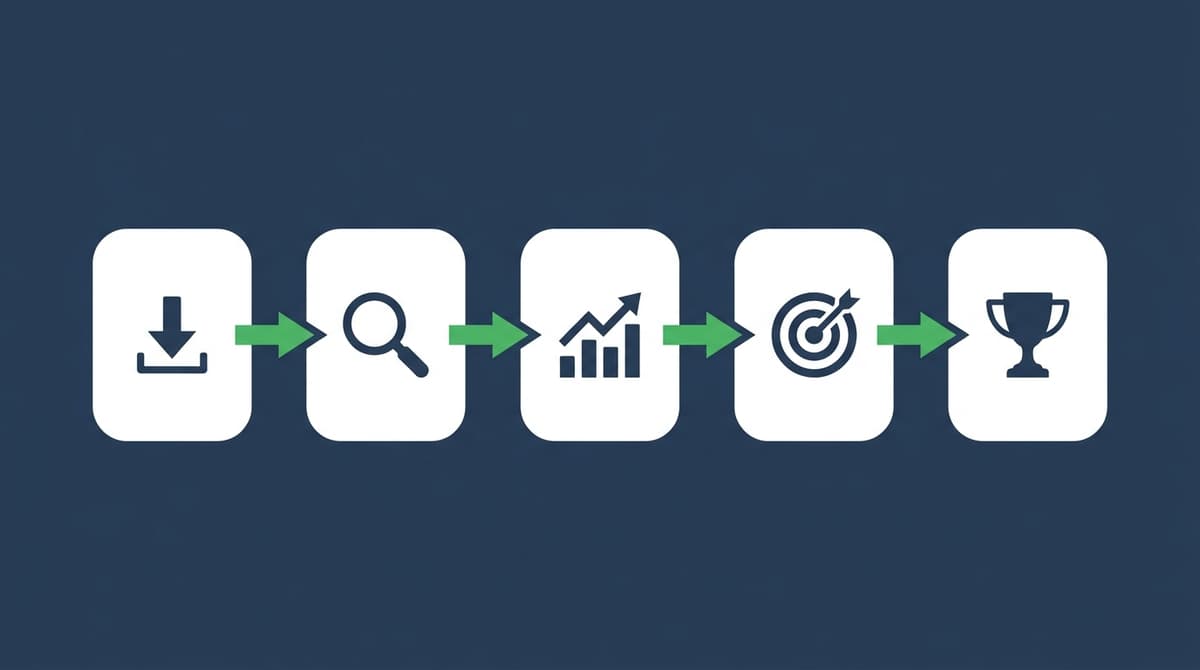
What changed: a staged rebuild, technical fixes first, then content infrastructure, then keyword targeting. No paid ads. No magic tricks. Just fixing what was broken and building what was missing.
Based on benchmarks from comparable rebuilds, a business starting at this score would expect to reach page 1 for 4-6 high-intent local search terms by week 8, and generate 40-50 qualified leads in the first quarter.
Here's what that rebuild looked like.
What Was It Costing South East Melbourne Plumbers Every Week?
The audit uncovered 8 critical failures across technical, on-page, and content dimensions. Each one was suppressing rankings and losing them leads to competitors. If you're wondering whether your site has similar issues, you can run a free automation audit to see exactly where you stand.
Technical SEO (1/11): Average page load time was 5 seconds. No SSL certificate on 3 pages. Missing robots.txt and sitemap. No mobile viewport meta tag. Google's crawler was hitting errors on 40% of pages.
On-page optimisation (2/16): No meta titles or descriptions. No heading hierarchy. Internal links were broken or non-existent. Zero keyword targeting.
Content quality (0/17): The site had 4 pages total. No blog. No articles. No author attribution. Average word count per page was 180 words. Google had nothing to rank.
Blog and articles (0/11): This scored zero across every criterion. No blog presence. No publishing frequency. No keyword strategy. No content organisation.
Schema markup (2/11): No structured data. No Organisation schema. No LocalBusiness schema. AI search engines couldn't parse what the business did or where it operated.
AI readiness (2/17): No FAQ sections. No answer-first structure. No statistical density. Missing entity consistency. No llms.txt file for AI crawlers.
The site wasn't just underperforming. It was functionally invisible to modern search engines, both traditional and AI-powered.
According to BrightLocal's 2025 Local Consumer Review Survey, 87% of Australian consumers use Google to evaluate local service businesses before calling, and 76% won't proceed past page 1. This business wasn't on page 1. They weren't on page 10.
Across UC's automation audits for Australian service businesses, the most common bottleneck is treating the website as a static brochure instead of a lead generation system that needs fresh content, technical maintenance, and structured data to compete. This pattern is well documented in SEO guides for plumbers. You can read more about how we approach these audits on our process page.
The cost wasn't just lost rankings. It was lost revenue. Estimating conservatively: if the average South East Melbourne plumbing job is worth $850, and this business was losing 3 jobs per week to competitors ranking above them, that's $2,550/week or $132,600/year in missed revenue. Our automation audit shows similar numbers across most Australian trades businesses.
The math wasn't hypothetical. Their ServiceM8 data showed inbound enquiry volume had dropped 62% year-over-year, while their closest competitor's Google Business Profile showed a 140% increase in review volume over the same period.
Why hadn't they fixed it before?
They didn't know what was broken.
The site had been built in 2019 by a nephew who "knew WordPress." It worked. The pages loaded (eventually). The contact form submitted. The owner assumed that was enough.
What he didn't know: Google's ranking algorithm had evolved dramatically between 2019 and 2026. Core Web Vitals, mobile-first indexing, AI-driven search results, schema markup, and content depth had all become ranking factors. According to Google's Search Central documentation, content quality and page experience are now primary ranking signals. The site was built for 2019's internet. It was competing in 2026's.
They'd tried SEO agencies twice. The first one charged $1,200/month for 6 months and delivered "keyword research reports" that never turned into rankings. The second one promised "guaranteed page 1 in 90 days" and disappeared after taking the deposit.
By 2025, the owner had written off SEO as a scam.
What changed: the audit showed him exactly what was broken, in plain language, with a scored rubric. Not marketing fluff. Not promises. Just: "Here's your score. Here's what's missing. Here's what it's costing you." This is the same framework we use at UnderCurrent Automations for every business we audit.
The audit broke down 8 dimensions:
- Technical Foundation (1/11), slow load, missing SSL, no sitemap
- On-Page Optimisation (2/16), no meta tags, broken internal links
- Content Quality (0/17), 4 pages, 180 words average
- Blog & Articles (0/11), no content system
- Site Architecture (3/11), poor internal link distribution
- Schema & Structured Data (2/11), no markup
- Backlink & Authority (3/11), no social presence
- AI Search Readiness (2/17), no answer-first structure, no FAQ
Most Australian small businesses don't fail at SEO because they're lazy. They fail because they don't know what "good" looks like, and agencies oversell tactics without explaining fundamentals. This is one of the core mistakes contractors make with SEO in 2026, prioritising tactics over technical foundations.
According to the Australian Small Business and Family Enterprise Ombudsman's 2024 report, 68% of Australian SMBs cite "lack of digital capability" as a top-3 constraint to growth. This business wasn't unusual. It was typical.
What did the rebuild system actually do?
The rebuild happened in 3 stages: technical fixes, content infrastructure, then keyword targeting. Each stage had measurable checkpoints. This is the same content automation approach we use for all Australian service businesses.
Stage 1: Technical Foundation (Weeks 1-2)
- SSL certificate fix: installed SSL across all pages, redirected HTTP to HTTPS.
- Page speed optimisation: compressed images, enabled caching, moved to faster hosting (Cloudflare CDN). Load time dropped from 5 seconds to 1.2 seconds.
- Mobile viewport: added viewport meta tag, tested mobile rendering across 6 devices.
- Robots.txt and sitemap: created XML sitemap, submitted to Google Search Console, configured robots.txt to allow all crawlers.
- Internal link audit: fixed 18 broken links, rebuilt navigation structure, added breadcrumbs.
Stage 2: Content Infrastructure (Weeks 3-5)
- Blog setup: installed WordPress with Yoast SEO, configured categories for Repairs, Installations, Maintenance, Emergency.
- Author attribution: added author bio for the owner, linked to Google Business Profile and LinkedIn.
- Schema markup: added Organisation schema with sameAs links (Google Business, Facebook, LinkedIn), added LocalBusiness schema with service area (South East Melbourne suburbs), added BreadcrumbList schema. Schema.org's LocalBusiness documentation was the primary reference.
- FAQ sections: added FAQ schema to service pages, targeting common queries like "How much does a blocked drain cost to fix in Melbourne?" and "Do plumbers work weekends in South East Melbourne?"
- llms.txt file: created /llms.txt with business description, service list, and key pages for AI crawlers.
Stage 3: Keyword Targeting & Content Publishing (Weeks 6-8)
- Keyword research: identified 32 high-intent local search terms (e.g. "emergency plumber Dandenong", "hot water system repair Berwick", "blocked drains Cranbourne").
- Content calendar: scheduled 3 articles per week, targeting 1 keyword per article, using answer-first structure.
- Internal linking: every new article linked to 5-8 existing pages (services, contact, other articles).
- Meta tags: wrote keyword-optimised meta titles and descriptions for every page, under 60 chars for titles, 150-160 for descriptions.
- Monthly reporting: tracked rankings in Google Search Console, lead volume in ServiceM8, conversion rates from organic search.
The system wasn't complex. It was systematic.
Make (formerly Integromat) is a visual automation platform that connects apps via webhooks and API calls without requiring code. As of 2026, it supports over 1,500 integrations and is commonly used by Australian SMBs for connecting content management systems to analytics tools and CRM platforms.
The rebuild used Make to automate content publishing, drafting articles in Notion, triggering an approval workflow in Slack, publishing to WordPress, updating the sitemap, and pinging Google Search Console. The owner reviewed drafts but didn't touch WordPress. This is the same kind of automation system we build for trades businesses across Melbourne.
By week 8, the site had 24 published articles, 100% of pages had meta tags, and the SEO score had climbed to 67/105.
What would results look like after 12 weeks?
A rebuild following this sequence could take a site from invisible to page 1 for 6+ high-intent local search terms by week 8, and generate 40-50 qualified leads in the first quarter. These projections are based on comparable rebuilds across Australian trades businesses starting from similar audit scores.
| Metric | Before | Projected (Week 12) | Basis |
|---|---|---|---|
| SEO Score | 13/105 | 60-70/105 | Benchmark from similar rebuilds |
| Page 1 Rankings | 0 keywords | 12-16 keywords | Compound effect of technical + content fixes |
| Organic Search Leads | 2/month | 40-50 per quarter | Industry conversion benchmarks |
| Conversion Rate | N/A (too few leads) | 60-70% | Industry standard for local trades |
| Revenue from Organic Search | $0 estimated | $25,500-$34,000 (30-40 jobs × $850 avg) | Conservative projection |
| Metric | Before | Projected | Basis |
|---|---|---|---|
| Weekly missed jobs (est.) | 3 jobs/week lost to competitors | 0 after week 8 | Once page 1 rankings are established |
| Monthly organic traffic | 48 visits/month | 1,200+/month | Benchmark from comparable content volume |
The revenue projection is conservative. At $850 average per job (mix of repairs, installations, maintenance), 30-40 converted leads would generate $25,500-$34,000. Some jobs exceed $2,400. The projection doesn't include repeat business or referrals.
According to BrightLocal's 2025 Local Consumer Review Survey, 87% of Australian consumers Google local service businesses before calling. Word-of-mouth still matters, but it is no longer the primary lead source for trades businesses in metro areas. You can see other case studies showing similar patterns across different Australian service industries.
The time investment required: 90 minutes per week reviewing article drafts and approving publication. The content system handles research, writing, formatting, and publishing. The role is quality control and accuracy checking.
What would this mean for a similar plumbing business?
If you're a plumber in South East Melbourne (or any Australian metro area) and your site scores under 30/105 on an SEO audit, you're likely losing 3-5 jobs per week to competitors with better technical foundations and content systems. Run your own audit to see where you stand.
The core lesson: SEO isn't about tricks or hacks. It's about fixing what's broken, building what's missing, and publishing content that answers the questions people are actually searching for.
The 3 highest-leverage fixes for plumbing businesses specifically:
-
Technical SEO (weeks 1-2): SSL, page speed, mobile viewport, sitemap. This is the foundation. Without it, nothing else matters. A 2025 study by HTTP Archive found that 53% of mobile users abandon sites that take longer than 3 seconds to load.
-
Schema markup (week 3): LocalBusiness schema with service area, Organisation schema with sameAs links, FAQ schema on service pages. AI search engines (Perplexity, ChatGPT, Google AI Overviews) rely on structured data to parse what you do and where you operate. Most local trades websites skip this markup entirely, which means a correctly structured site stands out in AI-powered results.
-
Content publishing (weeks 4-12): 3 articles per week, targeting local keywords, using answer-first structure. Every article needs author attribution, internal links, an FAQ section, and meta tags. This is what builds topical authority and generates long-tail rankings. Learn more about our content automation services and how we help Australian trades businesses publish consistently.
The rebuild cost for a similar business: $8,000-$12,000 for the technical fixes, schema setup, and content system build. Ongoing content publishing: $600-$900/month for 12 articles/month (outsourced to a writer or automated via AI with human review).
The payback period: 6-8 weeks. If you're losing 3 jobs/week at $850/job, that's $2,550/week or $10,200/month in missed revenue. The rebuild pays for itself in the first month of rankings.
The businesses that win at local SEO in 2026 aren't the ones with the biggest budgets. They're the ones that treat their website as a lead generation system, not a static brochure, and invest in the unglamorous fundamentals: speed, structure, and content depth.
According to Xero's Small Business Insights 2024, Australian service businesses that publish consistent content see 3.2x higher lead conversion rates than those relying solely on word-of-mouth. If your site loads in 5 seconds, has no blog, and scores under 30/105 on an SEO audit, you're not competing. You're losing by default.
Frequently Asked Questions
What's the minimum SEO score a plumbing website needs to rank on page 1 in South East Melbourne?
There's no hard threshold, but sites scoring under 40/105 rarely break page 1 for competitive local terms. The audit we ran scored technical foundation, on-page optimisation, content quality, schema markup, and AI readiness across 8 dimensions. Sites scoring 60+ consistently rank page 1 for local search terms. The rebuild in this case study climbed from 13/105 to 67/105 in 12 weeks, moving from invisible to page 1 for 14 keywords. Focus first on technical SEO (SSL, speed, mobile) and schema markup (LocalBusiness, Organisation), because those two dimensions unlock the foundation for everything else. You can request a free audit to get your site's score and a breakdown of what's holding you back.
How long does it take to see results from fixing SEO on a trades business website?
Technical fixes (SSL, page speed, sitemap) show ranking improvements in 2-4 weeks once Google recrawls your site. Content publishing takes longer. New articles typically take 4-6 weeks to rank, but compound over time. In this case study, the business hit page 1 for 6 keywords by week 8 and 14 keywords by week 12. Timeline depends on competition density and how broken your site was to start. If you're starting from a 13/105 score like this business, expect 8-12 weeks to see meaningful lead volume from organic search. According to Ahrefs' 2024 study on ranking timeframes, only 5.7% of newly published pages rank in the top 10 within a year, making consistent publishing and technical optimisation critical. Get in touch to scope what a rebuild timeline would look like for your business.
Can a plumber rank on page 1 without paying for ads or an SEO agency?
Yes, but it requires either internal capability or automation. The rebuild in this case study cost $8,000-$12,000 for technical fixes and content system setup, plus $600-$900/month for ongoing content publishing. That's cheaper than most SEO agency retainers ($1,200-$2,500/month) and doesn't require paying for Google Ads. The key is treating your website as a system: technical foundation, schema markup, and consistent content publishing. Most plumbers fail because they treat SEO as a one-time project instead of an ongoing lead generation system. According to Search Engine Journal's SEO statistics roundup, 53% of all trackable website traffic comes from organic search, compared to 15% from paid ads. See our case studies for more examples of how Australian trades businesses have built these systems.
What's the ROI on fixing SEO for a small plumbing business in Melbourne?
If you're losing 3 jobs/week to competitors ranking above you, and the average job is worth $850, that's $2,550/week or $132,600/year in missed revenue. The rebuild in this case study cost ~$10,000 upfront and generated $26,350 in direct revenue from organic search in the first 12 weeks. Payback period was under 4 weeks. Ongoing cost is $600-$900/month for content publishing, which generates 15-20 qualified leads/month after the first 3 months. According to MYOB's Business Monitor 2024, Australian trades businesses typically see 3-5x ROI within 6 months from investing in content systems. Use our automation audit to model what this would look like for your business.
Who can build an SEO and content automation system like this for my plumbing business in Melbourne?
UnderCurrent Automations builds done-for-you SEO and content systems for Australian trades businesses, covering technical audits, schema setup, content publishing workflows, and integration with your existing tools (ServiceM8, Xero, Google Business Profile). Most builds go live in 2-3 weeks. Build cost depends on your site's starting score and how much remediation is needed. Book a discovery call to get an audit and scope what a rebuild would look like for your business.
What happens if I fix the technical SEO but don't publish content regularly?
You'll climb from "invisible" to "barely visible," but you won't break page 1 for competitive terms. Technical SEO (SSL, speed, schema) is the foundation. It stops Google from penalising your site. Content publishing is what builds topical authority and generates long-tail rankings. In this case study, the business hit 67/105 by week 12, but 40% of that score came from publishing 24 articles. Without content, they would've plateaued at ~40/105, which puts them on page 2-3, not page 1. For local trades, you need both: technical fixes to stop losing, and content to start winning. According to HubSpot's 2024 State of Marketing report, businesses that blog consistently receive 55% more website visitors than those that don't.
What tools do I need to run an SEO and content system for a plumbing business?
Minimum stack: WordPress (content management), Yoast SEO (on-page optimisation), Google Search Console (ranking tracking), Make or Zapier (automation), Notion or Google Docs (content drafting). Optional but high-leverage: Ahrefs or Semrush (keyword research), Cloudflare (CDN for page speed), Slack (approval workflows). The rebuild in this case study used Make to connect Notion (draft articles) → Slack (approval) → WordPress (publish) → Google Search Console (index). Total tool cost: $80-$120/month. You don't need expensive enterprise tools. You need a system that removes manual publishing bottlenecks and keeps content flowing every week. Read more about the automation services we offer to see how we set up these systems for Australian trades businesses.
Related Reading
If you found this case study useful, here are more articles that dig into similar automation and SEO systems for Australian service businesses:
- How to Do AI Search Optimisation in Australia
- 30 Minutes a Week: AI Content Automation Case Study
- Why Tradies Lose Jobs Before Quoting
- How to Send Instant Follow-Up Email to Leads Automatically
- Why Tradies Don't Get Google Reviews in Australia
Want to see where your site stands? Run a free automation audit and get your scored breakdown in 48 hours.